
Best Time to Plant Bamboo in Melbourne (Avoid These Mistakes)

If you want bamboo to establish quickly in Melbourne, plant during the warmer months from October to April when soil and air temperatures help new shoots grow.
Warmer planting gives young bamboo the best chance to root and thrive before cooler months slow growth.
Plant between October and April for the strongest start for most bamboo types in Melbourne.
Choose a sheltered, well-drained spot and match the bamboo type to your space—clumping varieties suit smaller gardens while running types need more control. Plan watering, mulch, and a basic feeding routine to keep new plants healthy through their first summer.
Key Takeaways
- Plant bamboo in Melbourne during the warm season for faster establishment.
- Pick the right variety and site to avoid future problems.
- Keep soil moist, mulched, and lightly fed during the first growth season.
Optimal Planting Times for Bamboo in Melbourne
Plant during warm, frost-free months and give plants steady moisture for the first year. Choose a planting window that avoids the coldest weeks and the driest stretches.
Seasonal Planting Overview
Spring and summer in Melbourne offer warm soil and longer daylight, which help bamboo establish roots quickly.
You’ll get faster root growth and stronger shoots if soil temperatures are above about 10–12°C. Aim to plant when overnight lows rarely dip below freezing.
Avoid planting in the coldest part of winter or during heatwaves instead you should use service like Bamboo Removal Melbourne to get it removed if you have one.
Frost can stress newly planted bamboo, and extreme heat raises watering needs and transplant shock. If you must plant in cooler weather, protect roots with mulch and delay heavy pruning for at least one season.
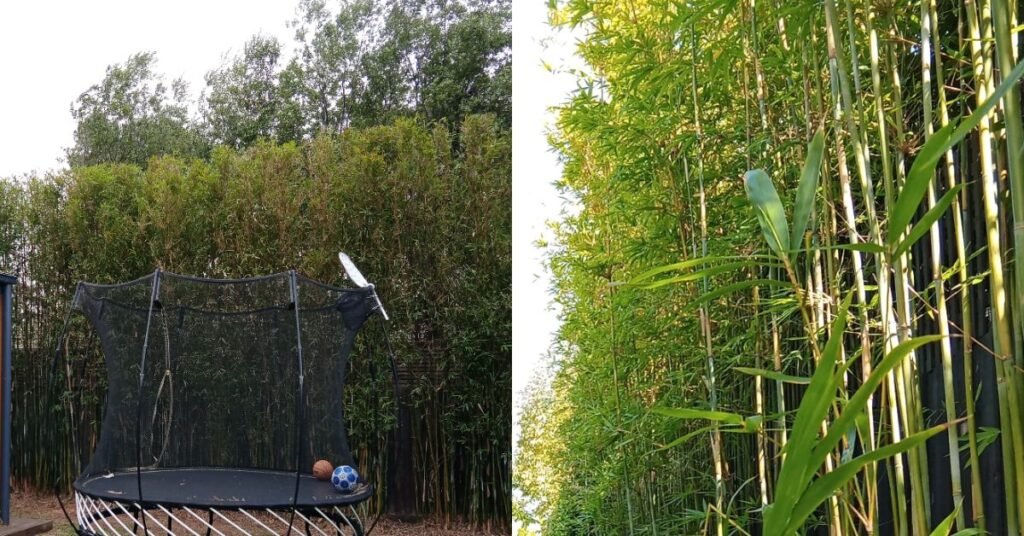
Best Months for Planting
For most Melbourne microclimates, the best months to plant are October through April.
October–December gives spring warmth and gentle soil heating, which promotes rapid root development. January–April still works well if you keep plants watered and sheltered from hot, dry northerly winds.
If you live in a cooler suburb or a frost pocket, shift planting to late spring (November) to reduce frost risk. In inner-city or warmer coastal spots you can plant earlier in October. Use a quick-reference list to choose your month:
- Cooler areas: late November–March
- Warmer/coastal areas: October–April
- Avoid: mid-winter months and extreme heat spells
Climate Considerations in Melbourne
Melbourne has a cool temperate climate with warm summers and cool, sometimes wet winters. You need to match bamboo species and planting time to local temperature swings and rainfall patterns to give new plants the best start.
Temperature and Rainfall Patterns
Melbourne’s average summer highs sit around 25–30°C, while winter daytime temperatures often range 10–15°C. This means bamboo planted in spring or early summer benefits from warming soils and steady sunlight to establish roots.
Rainfall is fairly even over the year but can peak in cooler months. New bamboo needs consistent moisture for the first 6–12 months.
Water deeply when top 5–10 cm of soil dries, especially through hot, dry spells. Use mulch to retain soil moisture and keep roots cool.
Choose species that tolerate your suburb’s microclimate coastal areas are milder, inner-city spots can be hotter and drier.
Frost and Heat Impacts
Frost can damage young shoots and thin-leaved bamboo. Night temperatures below 0°C occur in parts of Melbourne, especially outer suburbs.
Protect new plants with frost cloth or plant in locations with good air drainage to reduce frost pooling.
High heat and sudden hot winds can stress bamboo, causing leaf scorch and water loss. Provide afternoon shade for sensitive species and increase irrigation during heatwaves.
Clumping bamboos generally handle cold and heat swings better than running types; pick a hardy variety if your site has wide temperature swings.
Selecting Bamboo Varieties for Melbourne
Choose bamboo that suits Melbourne’s cool summers, possible frost and clay or loam soils. Prioritise non-invasive clumping types for small gardens and pick species with proven hardiness for your suburb.
Clumping vs Running Bamboo
Clumping bamboo grows in tight clumps and spreads slowly. You get predictable boundaries and less digging to control roots, which makes it best for small yards and formal hedges.
Clumping types are usually called “non-invasive,” though they still need space for new culms.
Running bamboo sends long rhizomes that can spread quickly underground. You must install root barriers or dig regular containment trenches to stop unwanted spread.
Use running species only if you want fast screening or have room for vigorous growth.
Recommended Species
Consider Giant Timber Bamboo (Bambusa oldhamii) if you want tall screening that handles mild frosts and poor soils. It forms thick clumps and reaches 10–15 m in good sites.
For narrower, elegant stems try Himalayan Weeping Bamboo (Fargesia spp.). Many Fargesia tolerate Melbourne winters, stay clumping, and suit shaded or semi-shaded gardens.
Slender Weavers Bamboo (Bambusa textilis) gives a neat, columnar screen with minimal maintenance and tolerates wind. For containers or small gardens, pick dwarf clumping varieties like Bambusa multiplex ‘Alphonse Karr’ or Fargesia rufa.
Soil Preparation and Site Selection
Pick a spot that gets morning sun and afternoon shade, has good drainage, and leaves room for the bamboo’s mature size. Improve heavy clay or very sandy soils before planting so roots can spread and access moisture and nutrients.
Choosing the Right Location
Choose a location with at least 4–6 hours of morning sun and some afternoon shade, especially for tropical or temperate bamboo types common in Melbourne.
Avoid low-lying spots that collect water after rain; standing water will rot rhizomes.
Leave space for the bamboo’s spread. For clumping types, allow 1–2 metres beyond the mature clump diameter.
For running types, plan a root barrier or a containment bed at least 60–90 cm deep to stop lateral rhizomes.
Keep bamboo at least 2–3 metres from buildings, fences, and pipes unless you install a proper rhizome barrier. Sit the planting slightly higher than surrounding ground if drainage is slow.
Soil Improvement Tips
Test your soil pH if possible; bamboo prefers pH 6.0–7.0. If pH is under 6.0, add lime per local guidelines; if over 7.5, incorporate organic matter to help nutrient uptake.
Work in 5–10 cm of compost or well-rotted manure across the planting area. For clay soils, add coarse sand and more compost to improve structure and drainage. For very sandy soils, add compost and a water-holding mulch.
Mix a balanced slow-release fertiliser or high-nitrogen starter fertiliser into the planting hole at planting time.
Add a 5–10 cm layer of organic mulch around the base, keeping mulch a few centimetres from the culms to prevent collar rot.
Planting Process and Techniques
You will prepare the hole, soil, and planting position so the bamboo establishes quickly. Focus on correct depth, loose soil around the root ball, and giving each plant enough space to grow.
Step-by-Step Planting Guide
- Pick the right spot. Choose a site with at least 4–6 hours of sun for most bamboo types and well-drained soil. Avoid low spots that hold water.
- Dig the hole. Make the hole about twice the width of the container and the same depth as the root ball. This gives roots loose soil to expand into.
- Loosen roots. Gently tease circling roots with your fingers. If the roots are matted, cut small vertical slits to encourage outward growth.
- Amend soil if needed. Mix native soil with compost or well-rotted manure (up to 30% of the fill) to improve fertility and drainage.
- Set the plant. Place the root ball so the top sits level with surrounding soil. Backfill lightly, firming with your hands to remove large air pockets.
- Space for growth. For screening, plant clumping bamboo 1–2 m apart; running types 1–3 m depending on desired density and containment plan.
Initial Watering and Care
Water immediately. Give a deep soak after planting — aim for the soil to be moist 20–30 cm down. Use a slow trickle or soaker hose for 20–30 minutes per plant the first time.
Maintain regular watering for the first 2–3 months. Water 2–3 times weekly in warm, dry spells, less often in winter.
Mulch 5–10 cm around the base, keeping mulch a few centimetres from the culms to prevent rot.
Stake only if needed. Young plants rarely need staking unless exposed to strong wind. Watch new shoots for pests and remove any damaged culms to help the plant focus energy on healthy growth.
Aftercare and Maintenance
Keep soil evenly moist, protect young roots from drying or waterlogging, and feed at key times to boost shoot growth and root strength.
Watering Schedule for Young Bamboo
Water newly planted bamboo every 2–3 days for the first month, giving about 10–15 litres per metre of rootball if planted in the ground.
In pots, water daily in hot weather; aim for consistently moist but not soggy soil. Use a slow soak method so water reaches the root zone pour slowly or use a drip line for 20–30 minutes.
After the first month, reduce to twice weekly for months 2–3 if rain is minimal. Once established (6–12 months), water weekly during dry spells.
Always check soil: if the top 5 cm is dry, water. Mulch 5–10 cm around the base, keeping mulch a few centimetres from the culms, to retain moisture and cut watering needs.
Fertilisation Practices
Feed bamboo in Melbourne with a balanced, slow-release fertiliser in early spring (August–September) as shoots start, and again in mid-summer (January).
Use an NPK formula around 10-8-6 or a high-nitrogen lawn fertiliser for faster shoot growth. Apply 50–100 g per metre of clump for small clumps; scale up for larger plantings.
Supplement with a liquid seaweed or fish emulsion every 4–6 weeks during the growing season for extra trace elements.
Avoid heavy fertiliser in late autumn to stop tender growth before cold snaps. Always water after applying granular fertiliser to move nutrients into the root zone and reduce burn risk.
Common Challenges and Solutions
You will face pests, diseases, and sudden weather changes when growing bamboo in Melbourne. Tackle pests quickly, and prepare for cold snaps, heat waves, and dry winds with specific actions.
Pest and Disease Management
Monitor your bamboo at least once a week for signs of scale, mites, aphids, or fungal leaf spots.
Look for sticky residue, yellowing leaves, webbing, or black spots on leaves. Treat scale and aphids by spraying with a strong jet of water or using insecticidal soap. For mites, apply horticultural oil early in the morning or late afternoon.
Remove and destroy heavily infected leaves or canes to reduce disease spread. Improve air circulation by spacing clumping bamboo correctly and removing crowded culms.
Use a fungicide labeled for ornamental grasses if fungal infections persist, following the product instructions.
Keep soil slightly acidic to neutral and avoid overwatering. Waterlogged roots invite root rot; ensure pots have drainage and garden beds slope or use raised rows.
Fertilise with a balanced slow-release feed in spring and summer to keep canes vigorous and less disease-prone.
Dealing with Unexpected Weather
Protect bamboo from Melbourne cold snaps by mulching the root zone with 5–10 cm of straw or wood chips to insulate roots.
For small or newly planted bamboo, wrap canes with horticultural fleece or use a temporary frame and frost cloth during nights below freezing.
During heat waves and dry northerly winds, water deeply twice weekly for established clumps and daily for pots.
Use drip irrigation or soaker hoses to keep moisture consistent. Apply a 5 cm layer of mulch to reduce surface evaporation and shield roots from extreme soil temperature swings.
If heavy storms or strong winds threaten, tie canes loosely to stakes to prevent snapping.
For running bamboo near property lines, check and maintain root barriers to stop sudden spread after soil disturbance from storms.